Innovators of the Desert
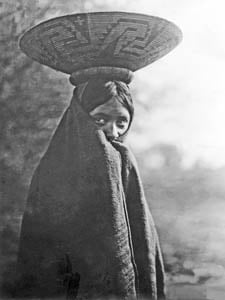
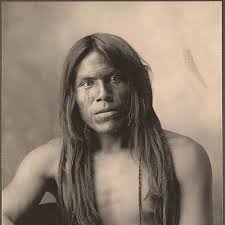
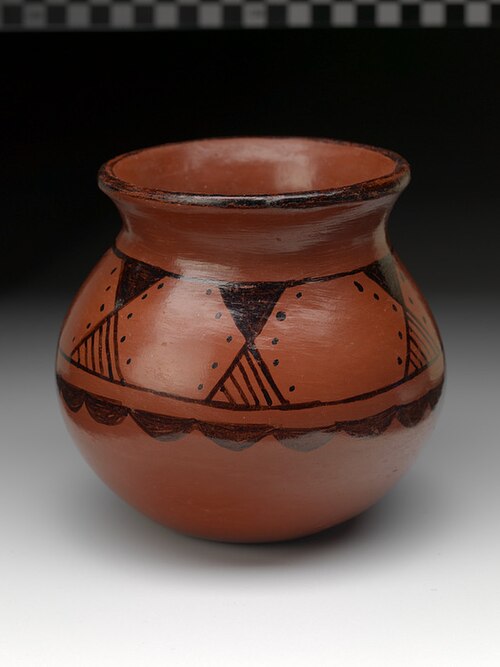
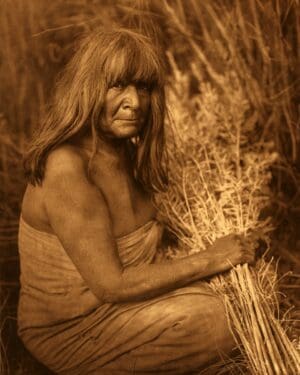
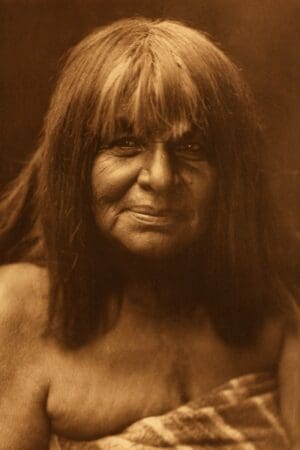
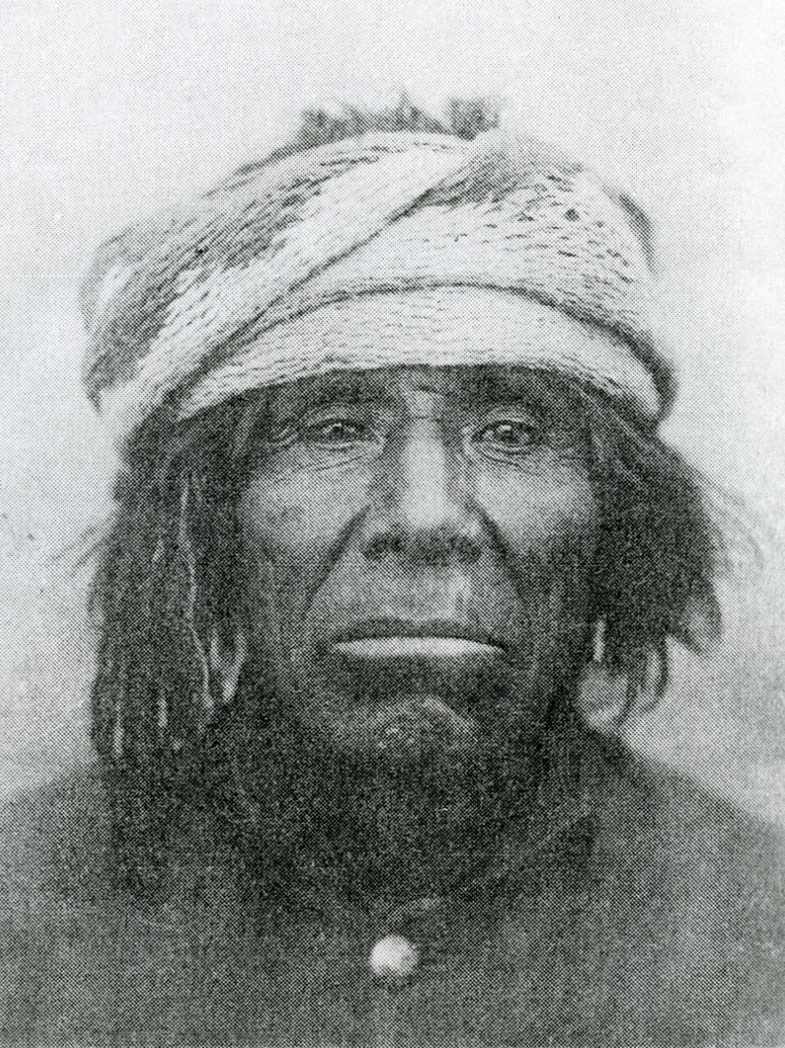
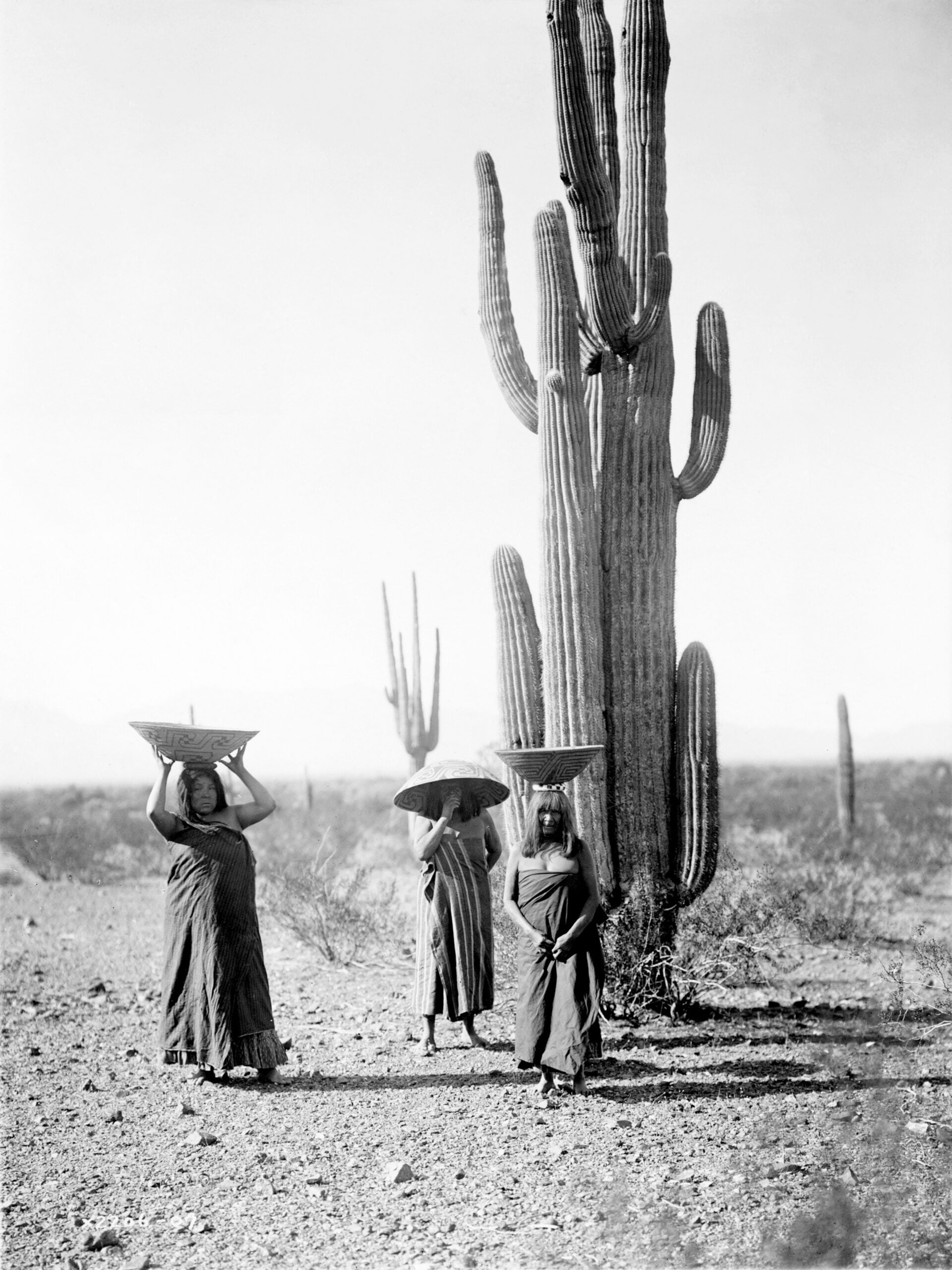
When the Spanish arrived in the Salt River Valley and encountered the Piipaash (Pee-Posh) people, they gave them the name “Mariposas”, the Spanish word for butterflies, inspired by their colorful clothing and body decorations. Over time, this term evolved into Maricopa, which became the widely used name for the Piipaash (Pee-Posh) people. The Piipaash/Maricopa people come from a rich legacy of advanced agricultural and engineering expertise, demonstrated by their sophisticated ancient knowledge of desert irrigation and canal systems and the cultivation of crops such as corn, squash, pumpkins, and beans, supplemented by wild roots, herbs, and berries (Gila River Indian Community; the Indian Missionary, 1942)
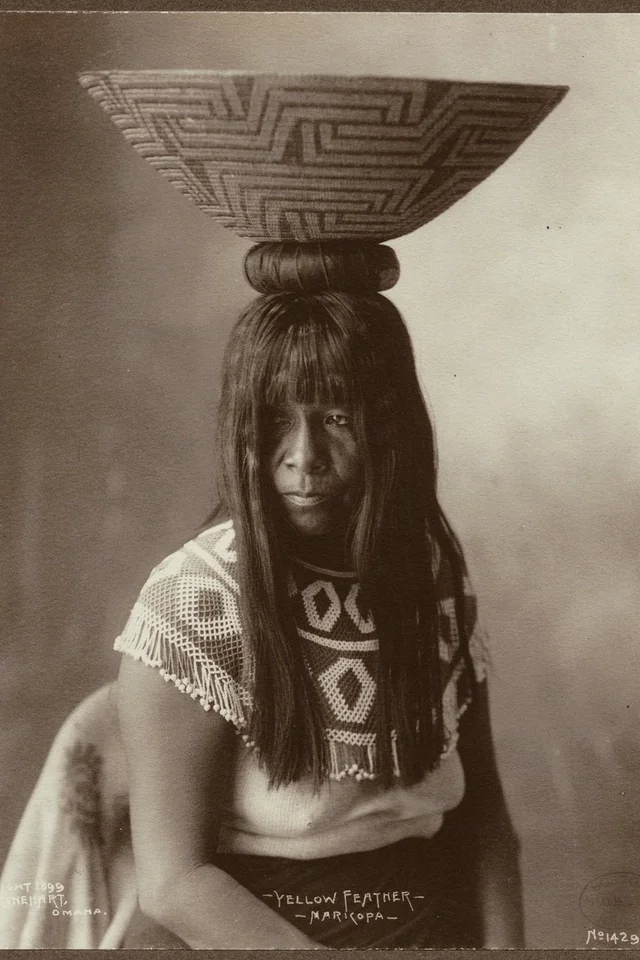
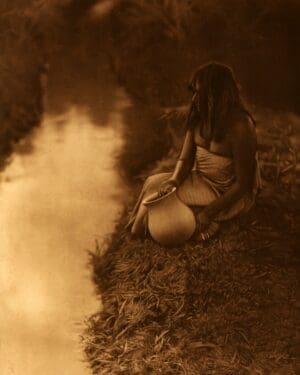
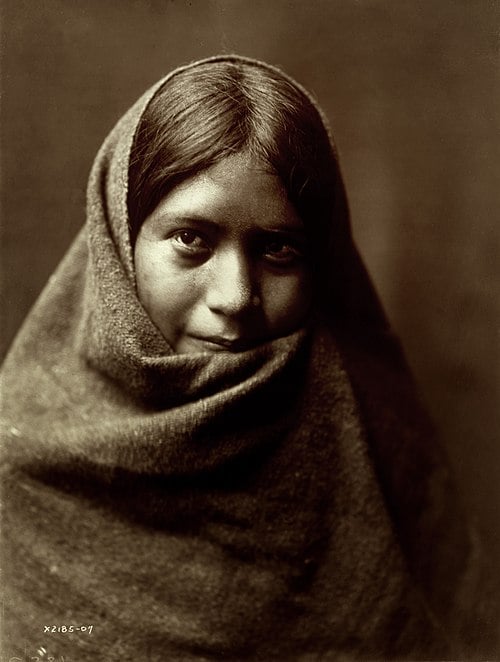
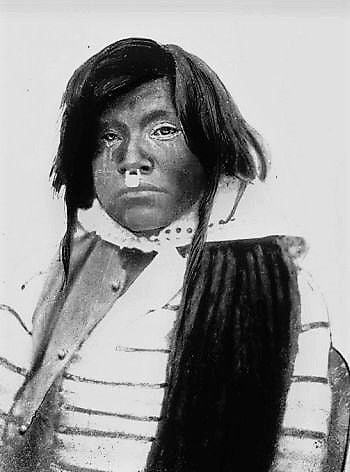
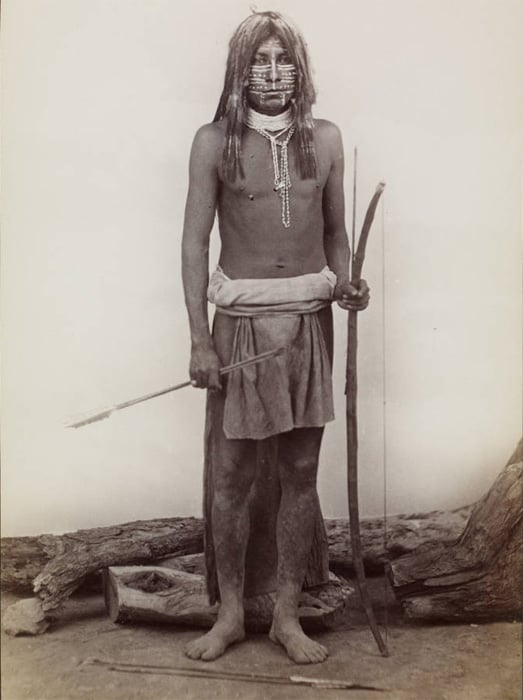
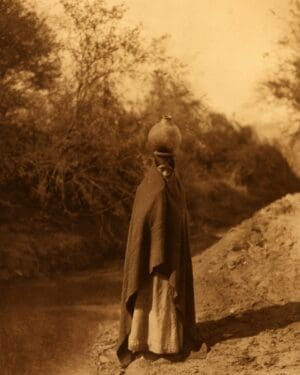
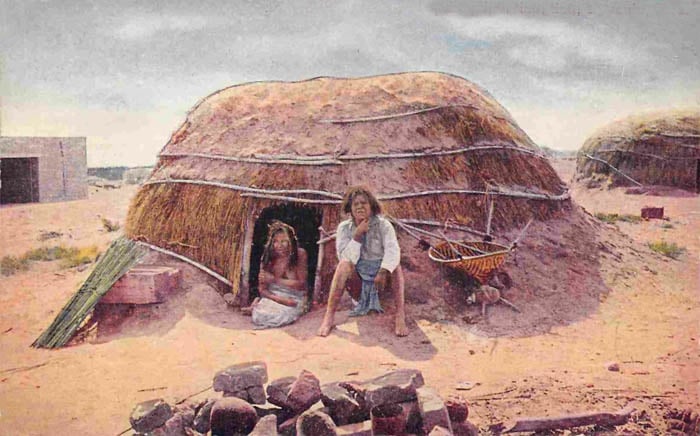
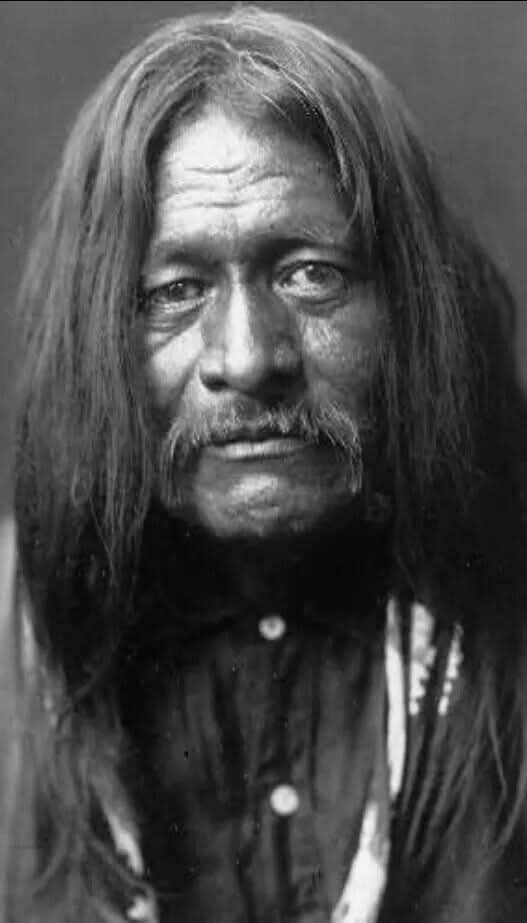
As the Gila River was diverted in the 1870s and 1880s by non-Native farmers, the Piipaash/Maricopa’s agricultural base was decimated. The community faced widespread famine, poverty, and health crises. The federal government provided processed food, leading to high rates of obesity and diabetes—conditions still faced by the community today. (Gila River Indian Community)
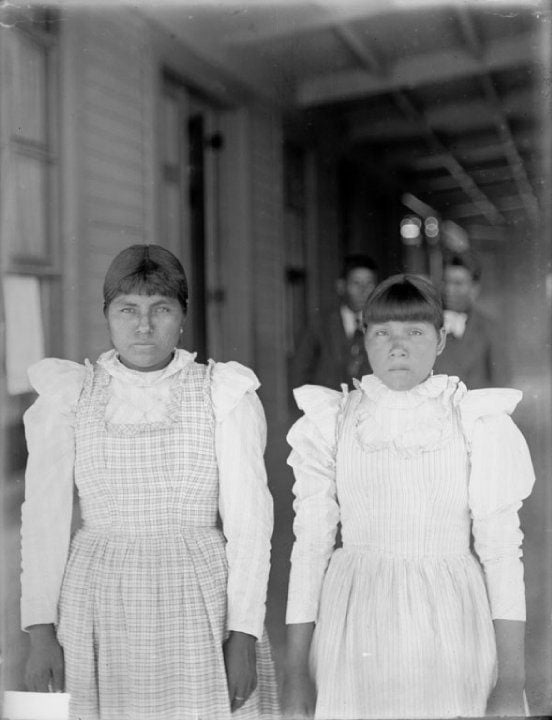
As the City of Phoenix began to grow in the late 1800s, many Piipaash/Maricopa families moved closer to the city in search of work and opportunity. However, this migration brought challenges. City ordinances enforced by local officials required Native Americans to adopt Western clothing styles to enter the city, forcing the Piipaash/Maricopa people to adapt to these external pressures while maintaining their cultural practices within their own communities. (The Indian Missionary, 1942)
By the 1930s, upstream water diversions along the Gila River had devastated their agricultural base, leading to hardship and famine. Yet, the Piipaash/Maricopa people demonstrated their resilience and began rebuilding their farming practices when federal water projects restored some of their lost capacity. This marked a turning point for the community, helping them rebuild their economy and regain some stability. (Gila River Indian Community)
In 1932, Elder and Mrs. Orno Follett of Scottsdale, AZ came to southern Arizona from the Navaho mission field. They became acquainted with the members of the Piipaash/Maricopa tribe and were invited to hold Biblical meetings on the reservation. As the Follett’s continued to hold meetings each week, they found that nearly all of the community members attended their meetings and several of them were baptized into the Seventh-Day Adventist church. By 1935, a chapel was built on the reservation, symbolizing the community’s continued resilience and spiritual growth in Christ Jesus. The chapel became a central gathering point for both spiritual and community life and was used as a church facility through 2020. (Neuse, 2001; The Indian Missionary, 1942).